
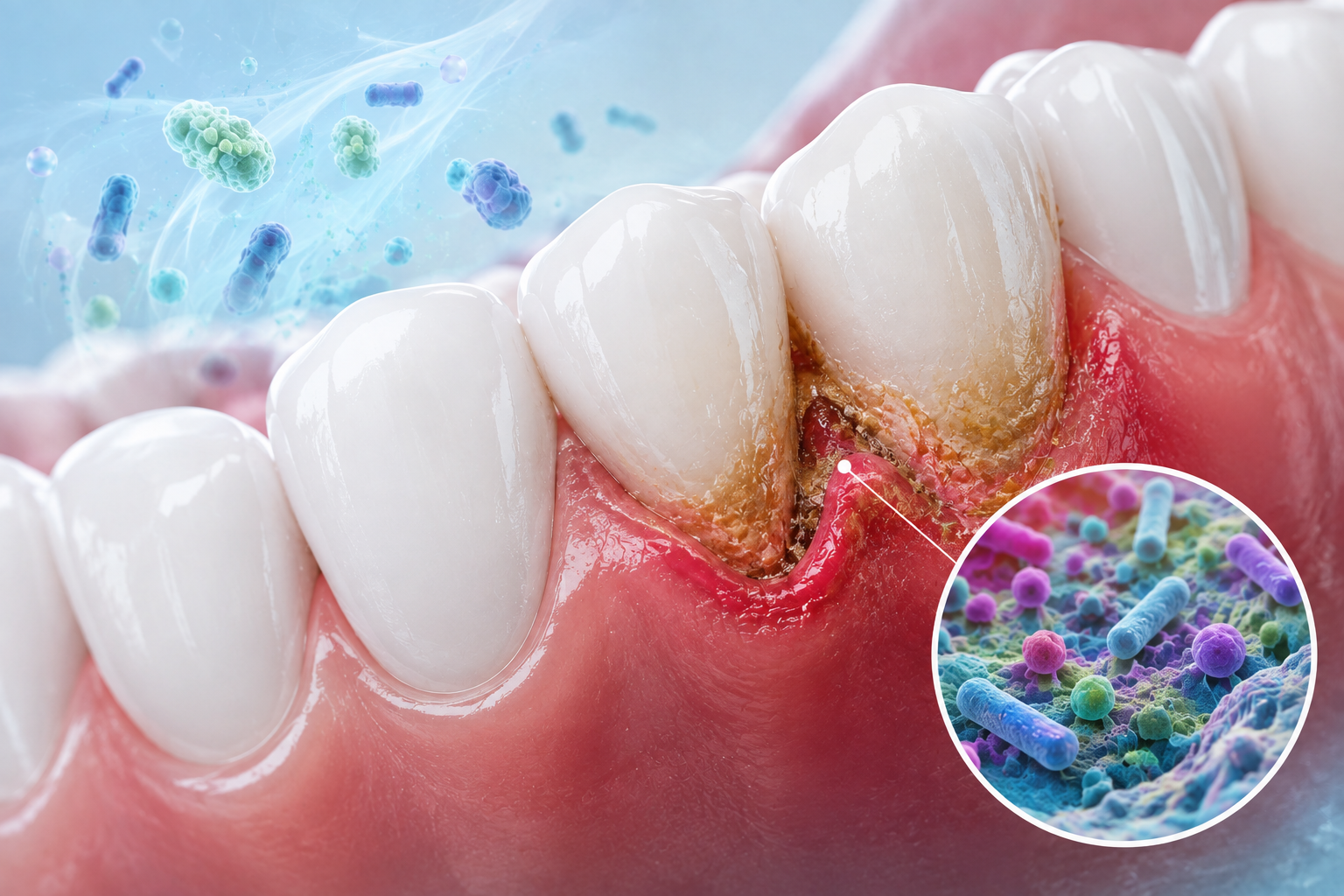
Most people know that brushing, flossing, and limiting sugary foods help keep teeth healthy. Less often discussed is the community of microorganisms that naturally lives in the mouth. This community, known as the oral microbiome, can influence the health of your teeth and gums.
When the oral microbiome stays balanced, many of these microorganisms coexist without causing problems. However, changes in diet, oral hygiene, saliva flow, medications, and other factors may allow certain harmful bacteria to become more dominant. If you’re wondering how this affects your everyday dental health, Kitchener Dentist Fairway Dental can help identify early signs of tooth decay, gum inflammation, and other oral-health concerns before they become harder to manage.
What Is the Oral Microbiome?
The oral microbiome includes hundreds of types of bacteria and other microorganisms that naturally live on the teeth, gums, tongue, cheeks, and other surfaces of the mouth.
Not all bacteria are harmful. In fact, many are part of a healthy mouth. Problems can develop when the balance shifts and bacteria associated with tooth decay or gum disease multiply more easily.
This imbalance is sometimes called oral dysbiosis.
Rather than thinking of bacteria as something that must be completely eliminated, it helps to maintain an environment that keeps harmful bacteria under control.
How Can an Imbalanced Oral Microbiome Lead to Cavities?
Cavities develop when acids repeatedly attack the hard outer layer of a tooth, known as enamel.
Certain bacteria in dental plaque feed on sugars and carbohydrates left behind after eating. As these bacteria break down sugars, they produce acids. Frequent acid exposure can gradually remove minerals from tooth enamel.
If this process continues for long enough, a cavity may form.
Several habits can encourage an environment that favours cavity-causing bacteria, including:
- Frequently sipping sugary drinks
- Snacking on sweets throughout the day
- Not brushing thoroughly
- Rarely flossing between the teeth
- Having a dry mouth
- Going long periods without professional dental cleanings
The frequency of sugar exposure can be just as important as the amount consumed. Eating or drinking something sugary repeatedly throughout the day gives acid-producing bacteria more opportunities to attack the enamel.
Can the Oral Microbiome Affect Gum Health?
Yes. An unhealthy bacterial balance can also contribute to inflammation around the gums.
Plaque naturally forms on teeth every day. If you don’t remove it effectively through brushing and cleaning between the teeth, bacteria can accumulate along the gumline.
The gums may then become irritated and inflamed, causing the early stage of gum disease known as gingivitis.
Common signs include:
- Red or swollen gums
- Bleeding while brushing or flossing
- Tender gums
- Persistent bad breath
- Gum sensitivity
Gingivitis often improves when plaque is removed, and good oral hygiene is restored. However, untreated gum inflammation may eventually progress to periodontitis, a more serious form of gum disease that affects the tissues and bone supporting the teeth.
What Can Disrupt the Balance in Your Mouth?
Your oral microbiome can change for many reasons.
Poor oral hygiene is an obvious factor, but it is not the only one. Diet, hydration, saliva production, smoking, certain medications, and general health can all affect conditions inside the mouth.
Dry mouth deserves particular attention. Saliva helps wash away food particles, neutralize acids, and protect tooth enamel. When saliva production decreases, harmful bacteria may thrive more easily.
People experiencing frequent dry mouth should mention it during their next dental visit, especially if they are also developing new cavities or gum irritation.
How Can You Support a Healthier Oral Environment?
You don’t need complicated routines. Consistent daily habits remain some of the most effective ways to protect your mouth’s natural balance.
Brush twice daily using fluoride toothpaste and a soft-bristled toothbrush. Take enough time to clean every surface of your teeth, including along the gumline.
Clean between your teeth every day using dental floss, interdental brushes, or another method recommended by your dentist or dental hygienist.
Drink plenty of water throughout the day. Water helps rinse the mouth and supports normal saliva production.
Try to reduce frequent exposure to sugary snacks and drinks. If you have something sweet, eat it with a meal rather than repeatedly throughout the day to reduce the time your teeth are exposed to acids.
Regular professional cleanings are also important because hardened plaque, known as tartar, cannot be removed effectively with normal brushing at home.
Do Probiotics or Special Mouthwashes Help?
Oral probiotics and microbiome-focused dental products have received increasing attention. Research continues into whether particular probiotic strains may help support oral health.
However, these products should not replace established preventive habits such as brushing with fluoride toothpaste, cleaning between the teeth, eating a balanced diet, and receiving regular dental examinations.
Remember that stronger mouthwash is not necessarily better. Some mouthwashes target specific dental concerns and may not suit everyone.
Before adding a new oral-health product to your routine, ask your dentist whether it will likely benefit your situation.
When Should You Visit a Dentist?
Tooth decay or gum disease can sometimes progress without significant discomfort. That is one reason regular checkups remain important even when your mouth feels normal.
You should consider arranging a dental examination if you notice bleeding gums, persistent bad breath, tooth sensitivity, gum swelling, tooth pain, visible dark spots, loose teeth, or changes in the way your gums fit around your teeth.
At Kitchener Dentist Fairway Dental, a dental examination can help determine whether symptoms are related to plaque buildup, decay, gum disease, dry mouth, or another dental concern. Depending on what we find, treatment may include a professional cleaning, fluoride treatment, a filling, periodontal care, changes to your home-care routine, or further evaluation.
Prevention Starts With Everyday Habits
The oral microbiome is only one part of dental health, but keeping the environment inside your mouth balanced can support healthier teeth and gums.
Daily brushing and flossing, sensible eating habits, adequate hydration, and regular dental visits all help reduce the conditions that allow harmful bacteria to become dominant.
Preventive appointments also give your dental team a chance to catch small changes before they develop into painful or expensive dental problems.
If you are concerned about frequent cavities, bleeding gums, bad breath, or other changes in your oral health, contact the office at 519-893-9494 to schedule an appointment with Kitchener Dentist Fairway Dental.
DISCLAIMER: The advice offered is intended to be informational only and generic in nature. It is in no way offering a definitive diagnosis or specific treatment recommendations for your particular situation. Any advice offered is no substitute for proper evaluation and care by a qualified dentist.