
Dentistry has changed dramatically over the past few decades. Treatments that once required multiple appointments, uncomfortable impressions, or lengthy recovery times can now often be completed more efficiently and precisely. For patients, these advances can mean more comfortable visits, clearer treatment planning, and better long-term oral health.
At Kitchener Dentist Fairway Dental, modern dental technology supports many aspects of care, from early detection to restoration planning and an improved patient experience. While technology does not replace a dental professional’s skill and judgment, it gives dentists valuable tools to diagnose, monitor, and treat oral health concerns more effectively.
Here are 10 technologies helping shape the future of dentistry.
1. Digital Dental X-Rays
Digital X-rays have become an important part of modern dental examinations. Unlike traditional film, digital images appear on a computer screen almost immediately, allowing your dentist to enlarge and review specific areas in greater detail.
These images can help identify concerns that may not be visible during a regular examination, including cavities between teeth, bone loss, infections, and problems below the gumline.
Digital records also make it easier to monitor changes in your teeth and supporting bone over time.
2. 3D Dental Imaging
Three-dimensional imaging, including cone-beam computed tomography (CBCT), provides a detailed view of the teeth, jawbone, nerves, sinuses, and surrounding structures.
Dentists may use 3D imaging to plan procedures such as dental implants, evaluate impacted teeth, assess complex root canal concerns, or examine jaw structures.
Because the dentist can view the mouth from multiple angles, treatment planning may become more precise.
3. Intraoral Cameras
An intraoral camera is a small device that allows dentists to take detailed photographs inside your mouth.
The images can be displayed on a monitor so you can see exactly what your dentist is discussing. This can be especially helpful when examining cracked teeth, worn fillings, gum problems, or areas that are difficult to see in a mirror.
For many patients, seeing the problem makes treatment recommendations easier to understand.
4. Digital Impressions and Intraoral Scanners
Anyone who has experienced traditional dental impressions may remember biting into trays filled with impression material.
Digital scanners provide an alternative. The dentist moves a small scanner around the teeth to create a detailed three-dimensional model of the mouth.
Digital impressions may be used when planning crowns, bridges, orthodontic treatment, dental implants, retainers, and other restorations. They can also make the process more comfortable for patients who have a sensitive gag reflex.
5. Computer-Aided Crown and Restoration Design
Computer-aided design and manufacturing technology is helping dentists and dental laboratories create restorations with greater accuracy.
Digital scans can be used to design crowns, bridges, inlays, and other restorations. Depending on the equipment and treatment type, some restorations can also be produced faster than with traditional methods.
The goal is to create a restoration that fits properly, functions comfortably, and blends naturally with surrounding teeth.
6. Laser Dentistry
Dental lasers are used for certain procedures involving the gums and other soft tissues.
Depending on the treatment, lasers may help dentists reshape gum tissue, manage certain periodontal concerns, or perform selected procedures with less bleeding than traditional surgical instruments.
However, lasers are not appropriate for every dental procedure. Your dentist will determine whether laser treatment is suitable based on your individual condition.
Practices such as Kitchener Dentist Fairway Dental may use modern diagnostic and treatment technologies alongside traditional dental techniques to provide care based on each patient’s needs.
7. Artificial Intelligence in Dental Imaging
Artificial intelligence is beginning to assist dental professionals when reviewing X-rays and other diagnostic images.
AI software may help highlight areas that deserve closer attention, such as possible cavities, changes in bone levels, or other abnormalities. The dentist still makes the diagnosis and treatment decisions, but these tools may provide an additional layer of information.
As the technology continues to develop, AI may also help dentists compare images over time and identify subtle changes earlier.
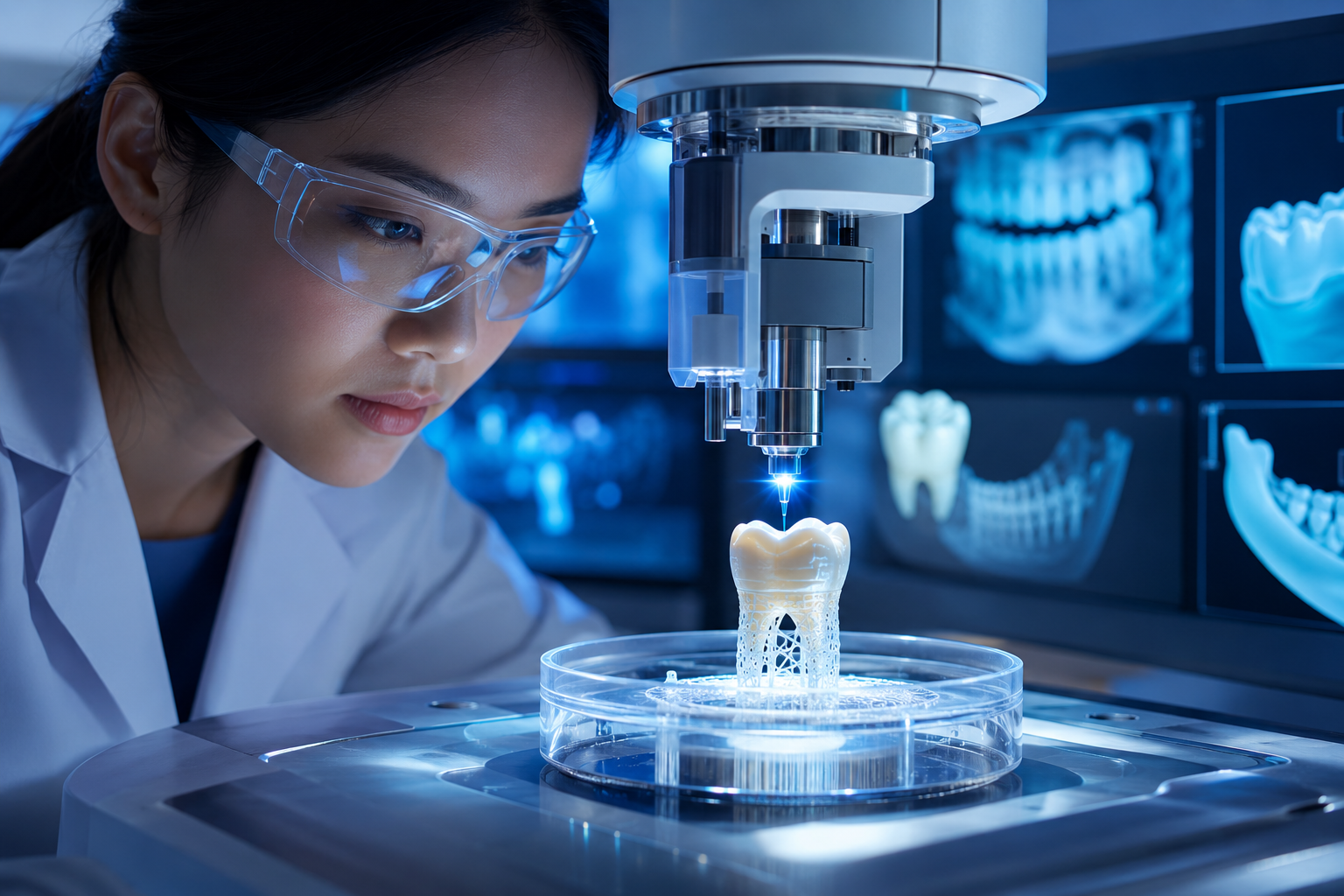
8. 3D Printing
Three-dimensional printing is becoming increasingly useful in dentistry.
Dental professionals and laboratories can use 3D printers to create models, surgical guides, temporary restorations, orthodontic appliances, and other customized dental products.
One advantage of 3D printing is its ability to produce items based on precise digital measurements of a patient’s mouth.
As the technology becomes more widely available, it may continue to shorten production times for certain dental appliances and restorations.
9. Guided Dental Implant Technology
Dental implants require careful planning because the implant must be positioned within the jawbone while avoiding important structures such as nerves and neighbouring tooth roots.
Digital scans and 3D planning software can help dentists evaluate bone structure and determine an appropriate implant position.
In some cases, a customized surgical guide can transfer the digital treatment plan to the actual procedure.
Good planning matters because successful implant treatment depends on several factors, including bone health, gum health, oral hygiene, and overall health.
10. Remote Dental Monitoring
Telehealth technology is also becoming part of dentistry.
Certain follow-up appointments, orthodontic assessments, or initial consultations may sometimes be supported by photographs, video calls, or remote monitoring systems.
Remote dental care cannot replace every in-person examination. Dentists often need to physically examine the teeth and gums and may require X-rays before making a diagnosis.
However, digital communication can make some aspects of ongoing dental care more convenient.
What These Technologies Mean for Patients
The biggest advantage of modern dental technology is not simply that equipment is becoming more advanced. The real benefit is how these tools can support better communication, earlier detection, and more individualized treatment planning.
Depending on the technology being used, patients may experience:
- More detailed diagnostic information
- Greater involvement in treatment decisions
- More comfortable dental impressions
- Improved treatment planning
- Better monitoring of changes over time
- More precise restorations and dental appliances
- Fewer appointments for certain procedures
Technology continues to evolve, but regular preventive care remains just as important.
Technology Cannot Replace Prevention
Even the most advanced dental equipment cannot replace daily brushing, flossing, healthy eating habits, and routine dental examinations.
Many dental problems are easier to manage when they are identified early. A small cavity, for example, may require relatively straightforward treatment, while an untreated cavity can eventually reach the tooth’s nerve and lead to pain or infection.
Watch for symptoms such as persistent tooth sensitivity, bleeding gums, tooth pain, swelling, loose teeth, changes in your bite, or sores that do not heal.
Even without symptoms, regular dental checkups let your dental team monitor your teeth, gums, fillings, restorations, and overall oral health.
When Should You Visit a Dentist?
Consider booking a dental appointment if you have ongoing tooth pain, swelling, bleeding gums, a broken or chipped tooth, increased sensitivity, bad breath that doesn’t improve, or any noticeable change inside your mouth.
Preventive visits are equally important. Routine examinations and professional cleanings can help identify concerns before they become more complicated and give you an opportunity to discuss new treatment options that may be appropriate for you.
Dental technology will continue to advance, but the foundation of good oral health remains consistent: prevention, early diagnosis, and treatment based on your individual needs.
To learn more about modern dental care or to schedule your next dental visit, call 519-893-9494 and contact Kitchener Dentist Fairway Dental.
DISCLAIMER: The advice offered is intended to be informational only and generic in nature. It is in no way offering a definitive diagnosis or specific treatment recommendations for your particular situation. Any advice offered is no substitute for proper evaluation and care by a qualified dentist.